Planning a Company’s Organizational Structure
Clarify teams, reporting lines, and each department’s responsibilities
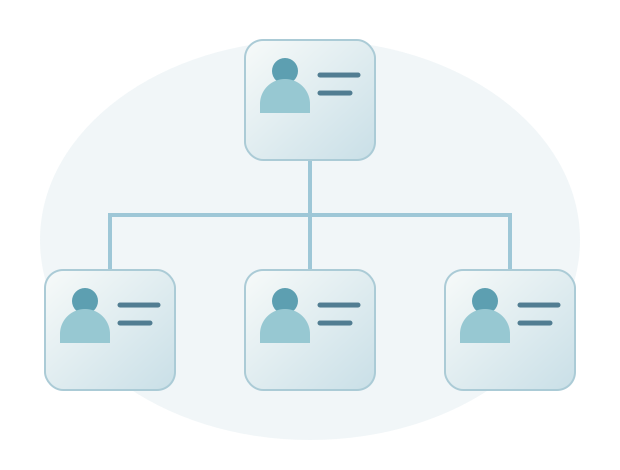
An organizational structure shows a company's departments, managers, and division of responsibilities. Employees can use it to understand whom they report to and which department to contact. To be useful in daily work, the chart needs to reflect how the teams are actually organized.
Start with business functions and organizational units
List the company's main activities and assign them to the responsible units. For example, sales receives orders and the warehouse prepares the goods. Where an activity involves both teams, clarify who starts the work, who checks it, and who receives the result.
Use department names consistently in the chart, employee records, and reports. If different names are used for the same unit, agree on a standard name before preparing the data.
Identify each team's manager
Clarify which manager is responsible for each team. Distinguish special assignments and coordination across departments from the main reporting relationship so users understand the limits of each person's authority.
An organization chart does not automatically define every approval workflow. Approval requirements still need to be discussed in relation to the process, request type, and company policy.
Match positions with employee assignments
Once the units are clear, review the positions and the employees assigned to them. Record any vacancies so temporary responsibility arrangements can be discussed.
When a department head changes, HR updates the assigned employee and effective date. If the department's responsibilities or team structure also change, those details need to be confirmed too.
Manage structural changes consistently
During restructuring, identify the affected departments, new reporting relationships, and effective date. Notify the relevant people so that records, coordination, and application settings can be adjusted.
Sigma helps map the structure and how it will be used in Sigma HRIS or Forte HRIS. The configuration and results are checked with the company before they are used in daily work.
Make the organization chart useful in daily work
Example: creating a new team
A company forms a new operations team with employees from several departments. Before updating the chart, decide whether these employees are transferring to a new unit or taking on temporary assignments. The distinction affects how HR records their placement and how employees understand their reporting responsibilities. They need to know who manages them and whether they still have duties in their original department.
Once the team structure is approved, HR records the unit, manager, members, and assignment start date. HR also reviews affected assignment records and approval workflows. If temporary team members still submit leave requests to their original manager, explain that rule to them. A coordination line on the chart does not necessarily define the leave approval workflow.
Use the structure to clarify coordination
New employees can use the structure to find the people responsible for particular functions. HR can also refer to it when discussing responsibilities or team changes. These benefits diminish if the chart is rarely reviewed, so assign responsibility for updates from the outset.
When discussing organizational structure in Sigma HRIS or Forte HRIS, prepare the current chart, employee assignment list, and examples of coordination relationships that differ from reporting lines. Sigma helps with mapping and setup. HR confirms the current structure, then checks the configuration with the team before use.