Understanding Job Titles, Positions, and Employee Assignments
Use clear terminology to avoid confusion about roles and assignments
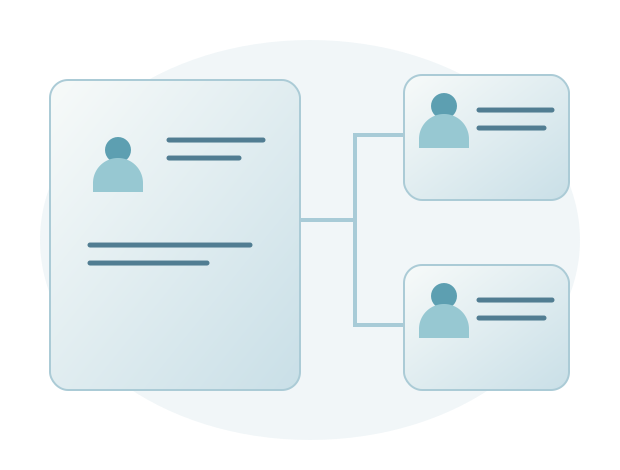
Companies often use job title, position, and assignment differently. In this guide, a job title describes a type of role, a position identifies that role within a particular unit or location, and an assignment records which employee works in that unit or location. Agree on these meanings before preparing HRIS data.
A job title describes the role
Examples include Warehouse Supervisor and Administration Officer. Job title information helps explain the role's function and responsibilities. Several branches can use the same title.
Use consistent naming and avoid creating a new job title simply because the spelling differs. Equally, do not combine roles with different responsibilities without the company's review.
A position identifies a role within a unit and location
A Warehouse Supervisor at the Bandung branch and a Warehouse Supervisor at the Surabaya branch may share the same job title but belong to different teams and locations.
When discussing application settings, show the positions in each unit and location, along with their reporting managers. For example, explain whether one warehouse has two supervisor positions for different teams. This helps HR and the implementation team agree on how to record positions, even if the company uses different terminology.
An assignment records who holds the role
An assignment links an employee to the applicable work, unit, and location. Record its start date so changes can be understood in the correct period.
When an employee is replaced, check whether only the person changes or whether responsibilities and team structure change as well. This helps HR identify which information to update.
Agree on definitions before setting up the application
Bring examples of the current team structure and records. The team can check whether a single term is being used for several purposes and agree on how to record the information.
Sigma helps map job titles and assignments for Sigma HRIS and Forte HRIS. The aim is to make the data clear to HR, managers, and report users in line with the company's needs.
Understand work changes through practical examples
The same job title, different assignments
Two employees work as Warehouse Supervisors at different branches. A report showing only their job titles does not tell readers which location or team they manage. Unit and assignment details explain the difference. This example helps HR decide which fields are needed for administration.
When one supervisor transfers to another branch, their job title may stay the same. HR still needs to check the location, manager, schedule, and start date of the new assignment. Changes in work arrangements cannot always be identified from job titles alone.
Use separate fields for job title, employee name, and location
Combining the job title, employee name, and location in one field can make changes difficult to check. Keep these details in separate fields. When an employee transfers or is replaced, HR can update the affected information without rewriting the entire record.
When preparing Sigma HRIS or Forte HRIS, bring examples of job titles used across several branches. Sigma helps agree on how to record positions and assignments according to company needs. These examples can also support training so HR and report readers interpret each field consistently.