Career Development and Preparing Employees for Promotion
Develop abilities for future responsibilities according to company needs
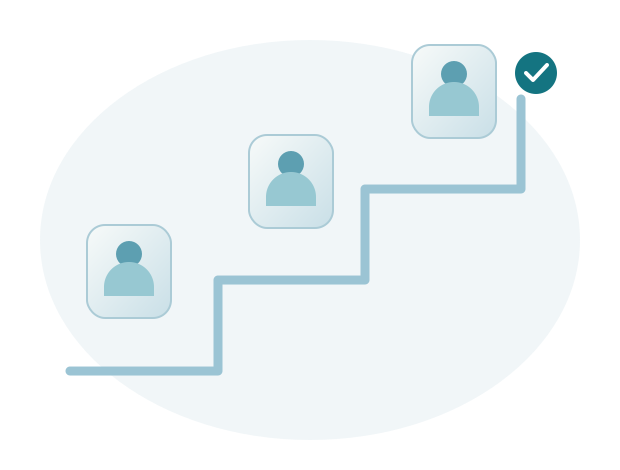
Career development helps employees build abilities for future responsibilities. Current performance is one input, alongside competencies, experience, and the requirements of the intended role. A development plan should be distinguished from a promotion decision, which remains subject to the company's process.
Explain what the next role requires
Identify the responsibilities and abilities needed before selecting development activities. A new role may require coordination, decision making, or team management that differs from the employee's current work.
Do not make a change in job title the only objective. Employees and managers need to understand the work they are preparing for.
Review existing abilities and experience
Use assessment results, work examples, and relevant experience. Distinguish abilities already demonstrated on the job from those that still need practice.
Strong performance in the current role matters, but does not automatically demonstrate readiness for every future responsibility. Criteria should match the intended role's requirements.
Plan development with specific objectives
Activities may include training, guidance, or work assignments according to company needs and authorization. Identify the abilities to develop and how progress will be checked.
Once current job requirements are met, development can focus on preparation for the next career stage. Keep the objective clear so that activities do not become a list of training courses without direction.
Distinguish employee readiness from the promotion decision
Review progress with the authorized people. Alongside employee readiness, the company needs to consider available positions and team needs before deciding on promotion.
Sigma HRIS and Forte HRIS help manage assessment results, training, and career development plans according to the company's settings. The Sigma team supports use of the application, with support until issues are resolved.
Distinguish current success from preparation for a new role
An employee preparing to become a supervisor
An employee performs well and is preparing to coordinate a team. In addition to technical abilities, the company needs to discuss task allocation, checking results, and supporting team members. Development can provide opportunities to practice these abilities through agreed assignments.
For example, the manager assigns the employee to coordinate one team task within a clear scope of authority. After completion, the manager reviews task allocation, timeliness, and how the employee handled obstacles. If work was still distributed unevenly, the next guidance focuses on that issue. Readiness is assessed through the task itself, rather than only length of service or a single appraisal score.
Communicate the purpose of development clearly
Employees need to understand the abilities they are developing and the review process. Explain that development is preparation, while appointment decisions follow the company's procedures. This clarity helps manage expectations and keeps progress discussions focused.
When discussing career development in Sigma HRIS or Forte HRIS, prepare an example of the intended role, required abilities, and planned activities. The Sigma team helps with requirements mapping and user training. Managers and HR still review readiness against practice results and company needs before proposing a promotion decision.